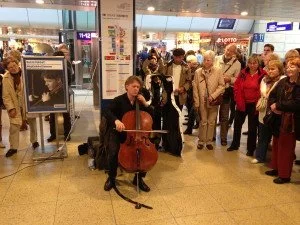
Bach at Train Stations
It is just such a gorgeous day in Berlin, not too hot, lovely breeze on our terrace, looking into the green of the trees, my wife taking a nab after our intense Brahms Double rehearsal, which gives me time to fulfill my promise and write about the rather unusual little tour I did May 21 and 22.I arrived from San Francisco on May 20th, just in time to celebrate my wife’s birthday – the preparation for the Bach Suites I did during my five-day stint in San Francisco together with re-learning the Unsuk Chin Concerto; quite a pity considering the fact what fun I could have had in San Francisco instead of practicing for six hours every day…
Artist in Residence
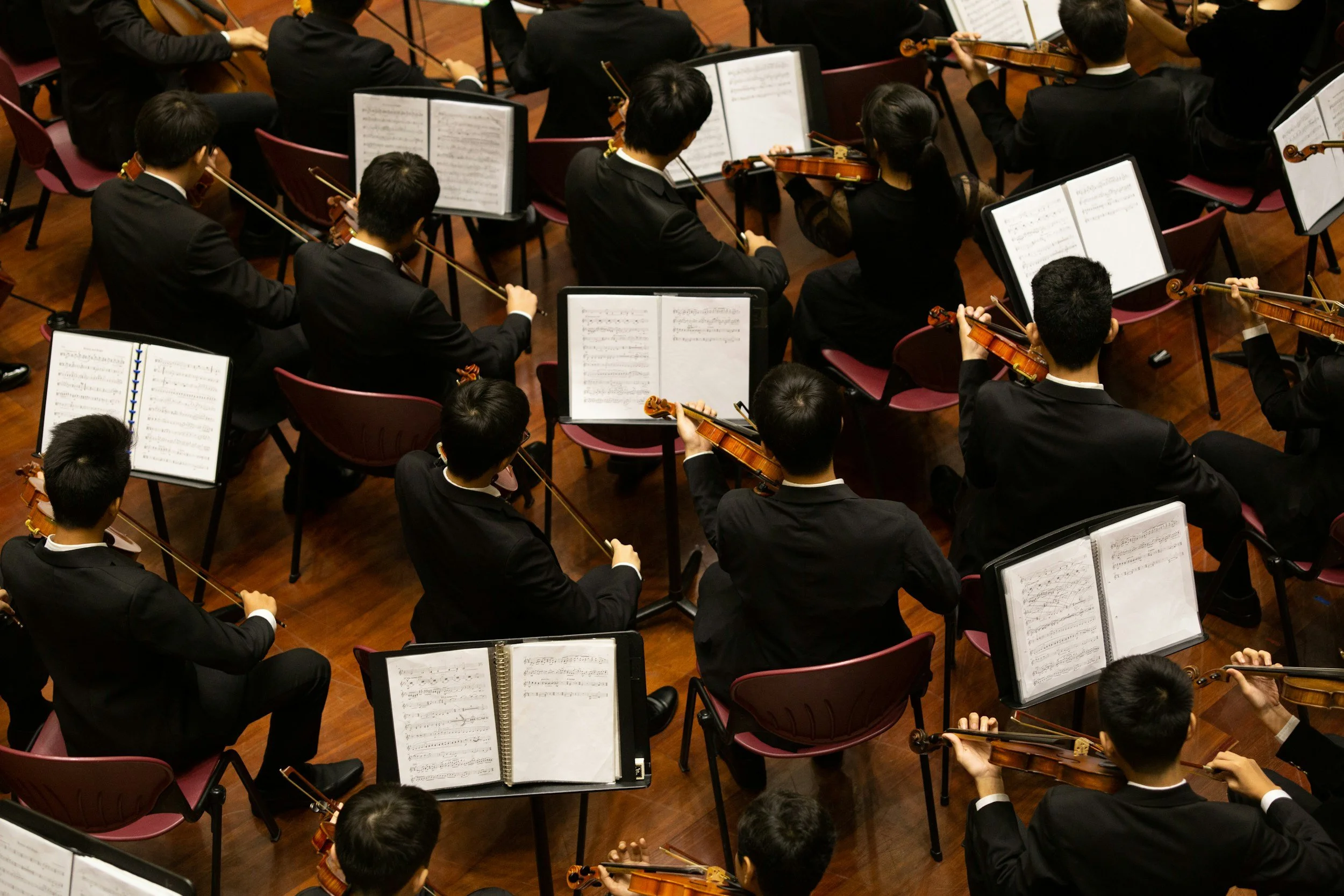
The busiest one and a half months in a long time with seven concerti, almost complete Beethoven Sonatas and Bach Suites were topped by my very first artist-in-residency with an orchestra. In between concert in Sevilla (Dvorak), Amsterdam (Frank Martin), Oslo (Chin), London (Schumann), Barcelona, Madrid and Valladolid (Lalo), Berlin (4 Beethoven Sonatas), Fort Worth (another Schumann) and now Hangzhou (Elgar), I flew to Portland (no, unfortunately not connected with the set of concerts in Fort Worth with the wonderful Fort Worth Symphony and a great conducting musician, Josep Caballé Domenech) to play three times the Rococo Variations plus Silent Woods by Dvorak, starting the first week of a three-year residency in this lovely city. While other orchestras have their “artist-in-residence” come several times within one year to play different pieces with the orchestra and maybe also give a recital, the idea of the Oregon Symphony and its chief conductor Carlos Kalmar was rather unique:
Adrenalin Pure - Three weeks of craze!
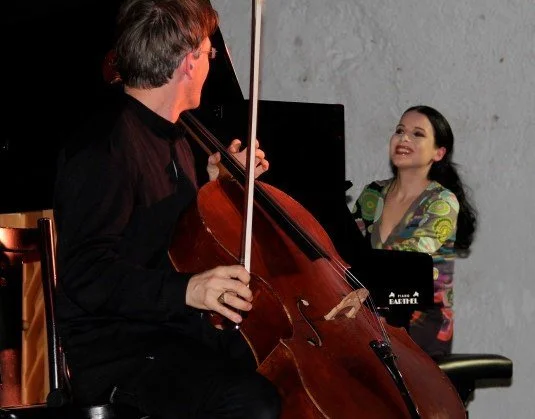
The past three weeks have been maybe the most demanding in my life so far, at least in regards of concertising (not talking about emotional private stuff which I won’t mention since I’d be hit on the head by too many people about being too open and I would have to justify it with the lack of privacy-filter and apologize…). After playing a week of Bachsuites at unusual venues as described in my last blog while practising the highly intense and demanding Pintscher Celloconcerto (Reflection on Narcissus), I travelled to Cleveland on the 2nd of November to play the Pintscher (by heart, couldn’t do it any other way as I like the feeling of authority to know the piece inside out) with this most amazing Cleveland Orchestra. Right after I had two days in Berlin to get the Chin Concerto back into my hands which I had to play in The Hague and Amsterdam, and now I am coming back from a week of Barber-Concerto in Sao Paulo and Belo Horizonte.

Tour with Asian Youth Orchestra
Almost 25 years ago I joined the Federal Youth Orchestra of Germany (BJO) in which I played altogether for three years every summer, Easter and winter (and one extra session I don’t remember when). This absolutely changed my life as a musician because it brought me together with young people like me, talented and dedicated to music, different to the other kids in school, sometimes outsiders, but never really geeks or nerds. Playing music together in an orchestra after practising all these years on my own was mind-blowing, an experience so elevating that after the first session I just knew that I would not want to have any other profession than playing music, for the rest of my life. When I was asked to play five concerts with the Asian Youth Orchestra I agreed, first a bit half-heartedly because I wanted to provide real good summer holidays for my son János, but then nostalgia took over and I wanted to relive the time in a youth orchestra.

Prokofiev and Masterclass in Houston
Exhausted and flattened by a somewhat more tiring than usual Prokofiev-Sinfonia-Concertante I am sitting in my dressing room while Hannu Lintu is conducting the second half, Sibelius Symphony No.2 with the Houston Symphony. Oh yes, I would have loved to play this great piece, even asked for sitting in the section for the second half, but then suddenly I felt such fatigue after my performance that I am glad that it didn’t work out (they didn’t have an extra part for me). In Strasbourg I played this symphony after a Dvorak Concerto, but the Prokofiev requires even more energy.Quite a conincidence though that Sibelius 2 is the first work for orchestra both Hannu and me played as children, he as a 12-year-old cellist in a youth orchestra, me being 15. We forget so many things, but something meaningful like the first ever experience in an orchestra you can never forget. I would have turned out a different human being if it wasn’t for my participation in this German Youth Orchestra, sharing the passion for music with youngsters from all over (back then) West-Germany. Looking back I realize without regret how old I have become – 25 years is a long time, a quarter of a century, and time has accelerated since then that I believe I don’t even have a chance enjoying a real mid-life crisis since I come to realize that two thirds of my life have passed already.
Kommt die musische Erziehung in unseren Schulen zu kurz?
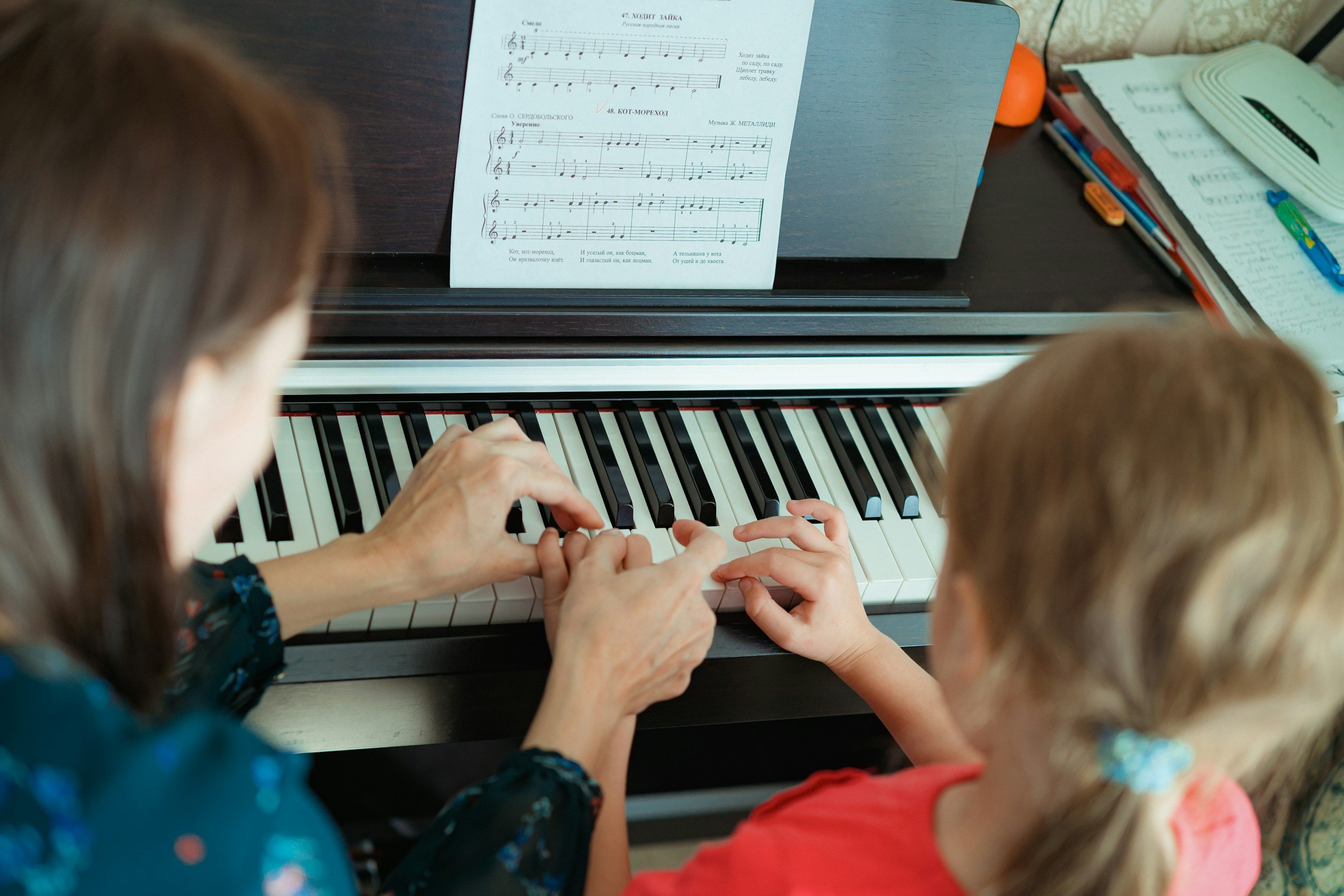
This is an article I spoke for the radio station RBB in Berlin last year, and since I am trying to get politically more involved in improving music education in Germany I am posting this article, in German though, sorry…
Bei dieser Frage handelt es sich offensichtlich rein rhetorisch gemeint, denn dass der Musikunterricht in der Regel zu den unwichtigsten Fächern gehört, deshalb im Zweifelsfalle als erstes vom Stundenplan verschwindet und dies in einigen Bundesländern zu 80% sogar bereits getan hat, wissen wir alle. Die eigentliche Frage, und es beschämt mich als Bürger dieser Kulturnation Deutschland, dass wir sie stellen müssen, sollte sein: Ist uns eine musische Erziehung überhaupt wichtig und wozu brauchen wir sie? Geht es uns nur um das Konzertpublikum von morgen oder gibt es tiefer gehende gesellschaftliche Gründe, den Samen der Musik früh genug zu säen? Nein, nicht um später mehr Profimusiker zu ernten (von denen gibt es genug), sondern damit hier nicht eine Generation heranwächst, die sich nur noch über Playstation und Computerspiele auszudrücken weiß.

Teaching and Performing
My father is one of the most dedicated teachers I have ever come across. Since more or less 50 years he has tought the violin, starting at the tender age of 17, and now, after retiring from playing in the Berlin Philharmonic Orchestra for 43 years, he will still have his students at the UdK in Berlin as well as his work with the German Youth Orchestra to make a smooth transition into full retirement (as if this would ever happen!). His dedication and enthusiasm for teaching has made a very big impression on me with a very funny affect: I love to teach, and I grab any possibility of a masterclass to teach – nevertheless because of my father’s dedication I refuse to take a teaching position. I would not be able to fulfill it with the same responsability and care he has shown and which I am convinced is necessary; students seek and need a lot of attention and help, and with me travelling extensively and trying to be as dedicated a father as I can be, I know some of the three things (family, playing, teaching) if not all three would suffer.
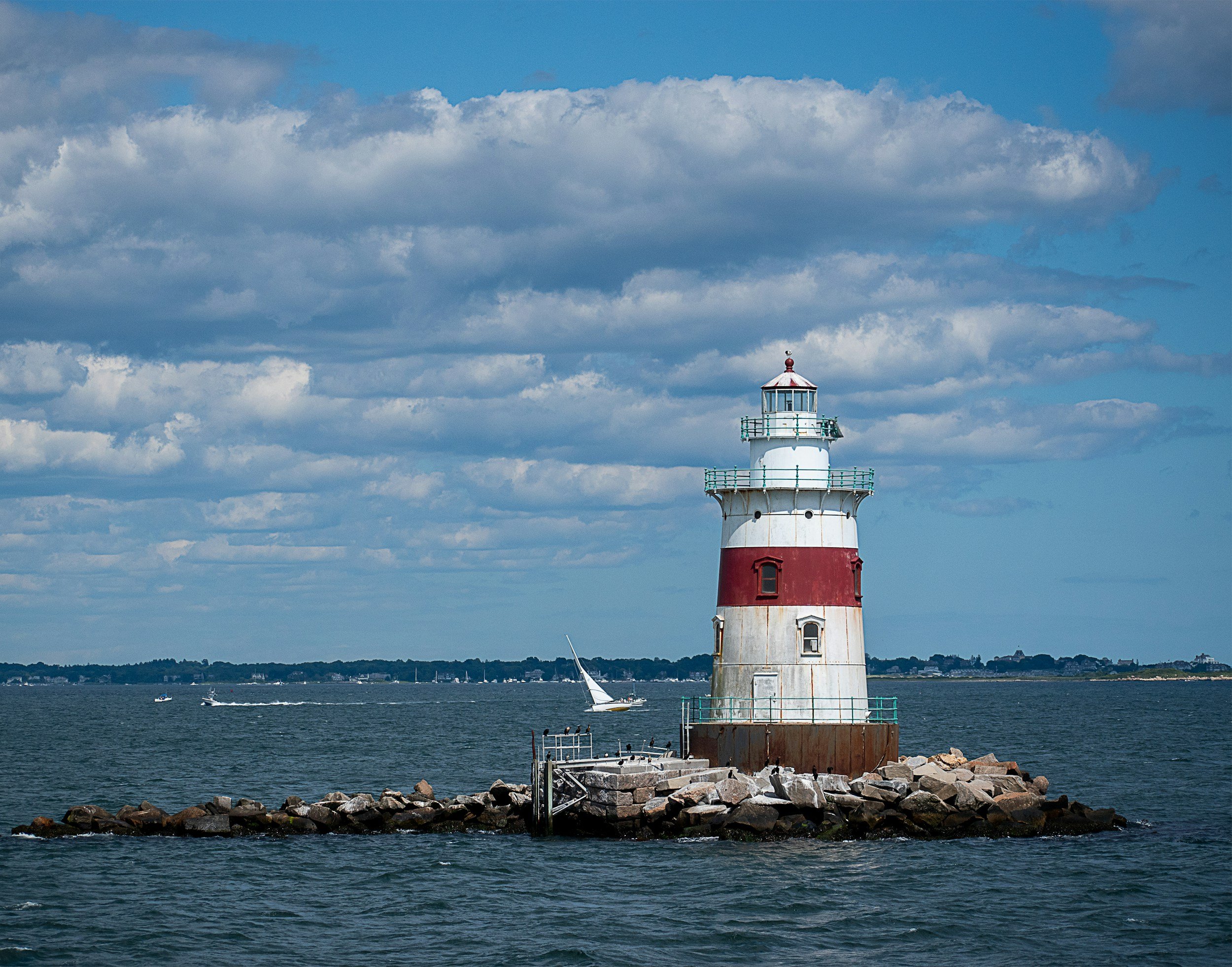
Elgar in Rhode Island with the substitute bow
Larry Rachleff, the conductor of the Rhode Island Philharmonic, told the audience in the post-concert talk that I did these two concerts in Providence as a “run-out” from Berlin which is actually nicely put – it almost feels like that, and I love it. My manager once asked me if she should connect the dates in the US so that I don’t have to fly for single engagements across the Atlantic, and I declined that offer because it would mean that I have at least three free days in between, and in these three days I could be home, practising the piano with my son…
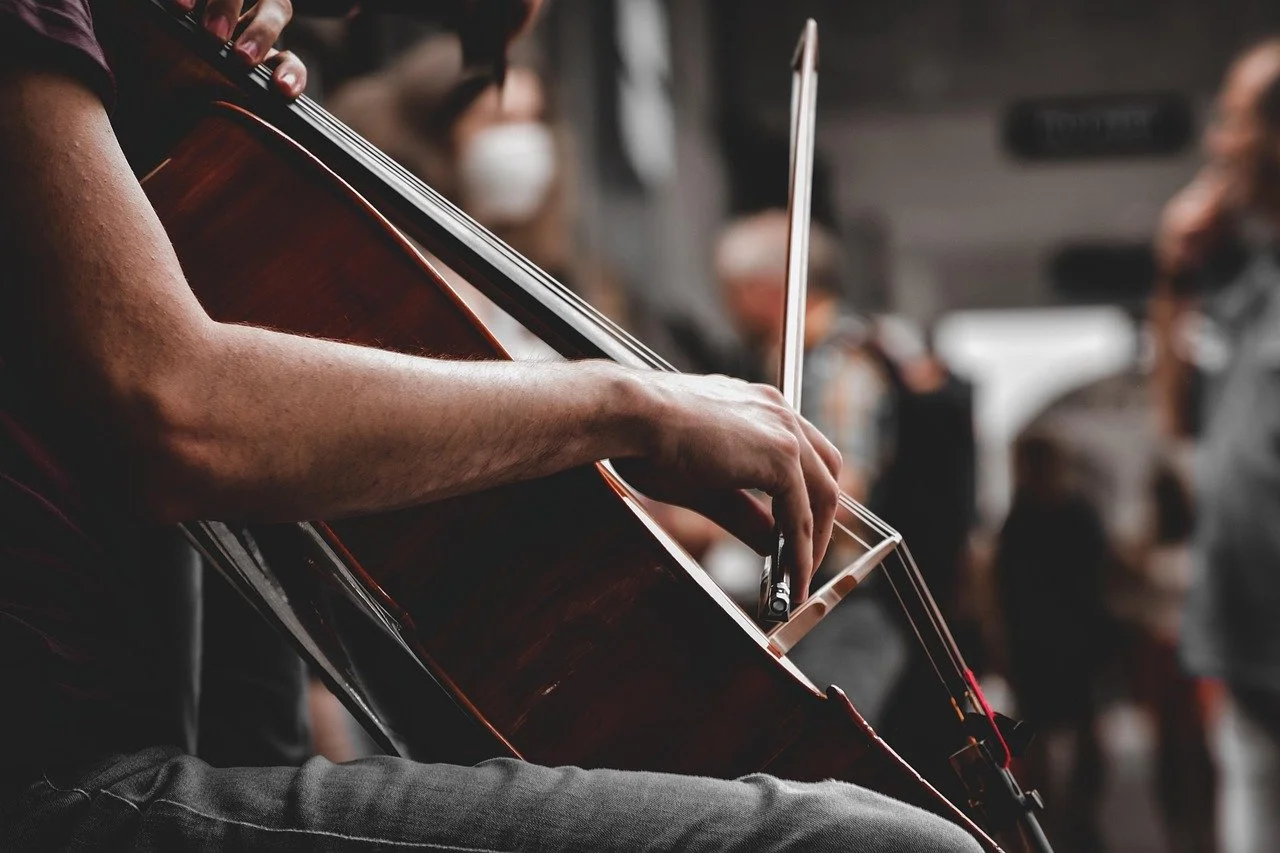
Playing for Youngsters and with Legends
I refuse to spend 27 Euro per day to be able to use the internet in my hotel (Hilton in Brussels)! Yes, these hotels are criminal, if you think that for already 10 Euros you can get a flat rate for an entire month. At lesser fancy hotels the wireless access is included, but since the Orchestre National de Belgique is generously paying for my (very nice) room in this hotel, I am writing these lines in a café before meeting the conductor Walter Weller for dinner. This morning we played a so-called open rehearsal at the Palais des Beaux Arts of about 600 children from and around Brussels. “Open Rehearsal” for which we had to have a rehearsal in order to get all the bits and samples right the moderator wanted us to play. It was a very well crafted analysis of the first movement of Brahms’ Third Symphony and the first movement of the Walton Celloconcerto.No, nothing to do with a rehearsal, but very informative and interesting for the kids, because Michael, the narrator, wanted to give them some tools how to listen to music. There are so many ways how to reach out to the younger population with classical music, but one has to want to make an effort. Today was a wonderful experience, seeing this hall half packed with kids who are not into classical music, but who, after being told what to look out for (little bits of themes being imitated, some rhythms reappearing throughout a movement), listened very attentive to the soft and melancholic beautiful first movement of “my” Walton Concerto. And I am glad we didn’t play the obvious scherzando-like second movement but challenged them with some real emotions. At the Q&A session afterwards they presented me with some pretty profound questions (how does one put emotions into music?” for example) and just showed me that we totally underestimate the desires of the young ones.

Paris: City of Love and the Arts
Actually I wanted to write this text on my way from Paris to Cologne in the train, but sitting together in the TGV (train grand vitesse = French superfast train) next to my good friend and pianist Steven Osborne prohibited me to do anything else but talking to him about life, love and music – which means this text had to wait until my next journey, which was obviously not the drive in a rent-a-car from Cologne to Berlin the night after our concert in Siegburg, but now, a day later, on my flight from Berlin via Frankfurt to Boston (long live the online-checkin: I am sitting in the exit-row with endless leg-space – no seat in front of me!)..

"Go home and take a shower!"
1988/89 I spent studying in Cincinnati, OH. My cello teacher turned out to be rather lame, so I focused a bit on playing quartet and taking lessons with the quartets in residence there, the LaSalle- and the Tokyo-Quartet. I had the time of my life, living together with two German guys in a one-bedroom flat, getting up every morning at 6 am to the sounds of either the beginning of Tosca or Prokofiev’s Romeo and Juliet, (the part, where the violins go crazy – God, I am so bad with names, I even forgot what that part is called) in order to start practicing at the practice floor of the Conservatory at 7 am.Why am I writing about this right now? Well, after one of the lesser succesfull quartet recitals of our quartet, Henry Mayer, the second violinist of the LaSalle-Quartet, an Auschwitz survivor with the driest sense of humour, didn’t congratulate us, he only said: “Go home and take a shower!” This was so wonderfully prosaic that we used this saying at many occasions, describing a bit the indifference one tends to feel after having finished or accomplished something, and afterwards, when there wasn’t much else to do, you could just go home and pour some water over yourself, forgetting about the success or the lack of success one just had – it all passes anyway.
When and why did you start playing the cello?
I was about eight and a half years old, playing with my toys in the garden, when my mother asked me, if I would like to play another instrument besides the piano, because my little sister had just begun the violin. I wasn’t too interested, but to get her out of my face, I said “Why not?”, and then she suggested the cello. Same answer. Today she says that she could have named any instrument and I would have agreed!

Do you like to practice?
As a teenager and by rather lazy nature I did’t like practicing too much, as a matter of fact I practically hated it. Nowadays it has beomethe greatest pleasure because it is the only time where I can really focus on just one thing. No telephone, no computer with e-mail, no so-called multi-tasking, but just the cello, me and the music. It is almost like an escape from the multiple tasks a career requires. I love to practice new pieces, and there always lays a great challenge in re-learning pieces I played already a thousand times. The more often I work on a piece intensely, the deeper I can feel it, the better I understand it and recognize performing possibilities which I hadn‘t seen before, but as everything in life, the last few percents of achieving anything hurt a lot.

What exactly is your "school project?"
In many ways I hate the word "project" and I prefer to call it at best a commitment at schools. For my first performances in the US I was obliged to also participate in the so-called residencies program which meant nothing else but doing some pioneer work in schools, elementary as well as high-schools. At first I thought myself for too good and did it more or less reluctantly.
But already the second time I had to realize that it was not only an important and efficient tool to fill a hall in the evening with much more and a much younger audience, but that I learnt it lot about myself - at the end of the session I had to admit to myself that I had fun and felt fulfilled. I gave my managers immediately the order to offer it wherever I was playing. Since I am not very good in selling anything, I had a hard time convey the idea, but today I try to go as often as possible to schools, and pursue that in a much more aggressive way by talking to the school inspectors directly to do exactly what?
Missing Flights...
That hasn't happened to me in several years: I missed my flight. In my calendar which I am always synchronizing between the cellphone and my laptop it said that I had to catch a flight at 5:52 pm leaving Newark to Spokane via Seattle. Minutes before I had to leave the apartment at 4 pm, I checked my e-mail and found a reminder from Orbitz that my flight was leaving at 5 pm on-time from JFK. I raced with the car which was waiting in front of the building to JFK just to get completely stuck in traffic and arrive 10 minutes after the departure of the flight.

"Tristan" for a 7-year-old
Just got back from "Tristan and Isolde" at the Staatsoper unter den Linden (in Berlin), and I wanted to write about this, because I went with my 7-year-old son János. After going with him on our motorbike to watch our local soccer team Hertha BSC win at the Olympic Stadium (where the world cup finals took place) three days ago, I took him today to his first "real" opera, not counting Hänsel and Gretel or Pinocchio. And it was for real: four and a half hours of music, intense, beautifully conducted by the living legend Daniel Barenboim, and this little son of mine was sitting through the whole thing with red cheeks, even getting the orgastic climaxes throughout the opera. I was all prepared with a pillow in case he wanted to sleep on my lap, had brought his drawing papers and pens in a bag, food, water, anything he would have liked, but no, he sat there more silent than most of our neighbours and enjoyed. Oh, it made me so happy, because I think nowadays it's even harder to get your kids off the TV hooked to something else but electronics and games, and obviously this meant something to him. He has always been somewhat fascinated by death, and this opera is full of it.
How long do you practice?
In average it's not so much, because with all the work besides playing the cello (making phonecalls, doing some correspondences, developing homepages, checking the sportresults, traveling) on certain days there is no time whatsoever, and sometimes I manage to sit down and practice six or seven hours. I guess my average is about three hours per day. As a student I had more time and just had to practice more...

Willkommen zu Alban's Blog
Since a while I started thinking of starting my own blog in order to get some more feedback from fellow musicians or general audiences about the way I see, feel and understand music making, the music "scene" or business as well as general things in culture. I have no idea if there is a real interest for this, but I thought I'd check it out and see what happens...