Contemporary Cello Concertos in the standard repertoire?
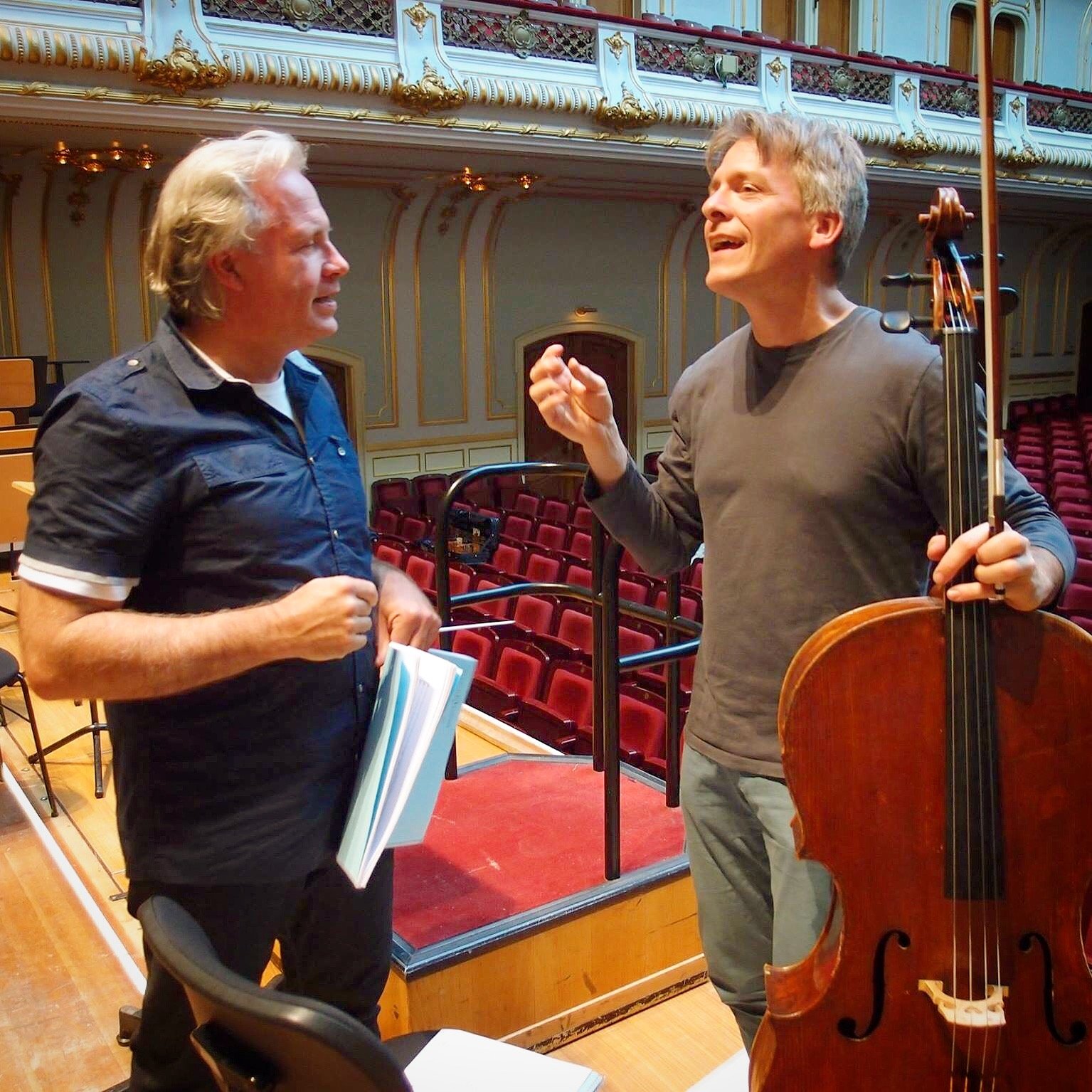
Sitting on the train that will bring me to my first performance of the beautiful cello concerto by Unsuk Chin this year in Hamburg I started thinking about contemporary cello concertos and the fact that none has really made it into the standard repertoire (and I am not talking 20 or 30 performances, but hundreds). Commuting back and fourth between Berlin and Hamburg between the rehearsals and now the concert – my oldest son had all his wisdom teeth removed at once, and I didn’t want him to be alone at home with that challenge – it gives me some time to not only read the „Zeit“ and take care of old e-mails but also write a bit after more than a year of abstinence.
Sharing thoughts or just describing concerts?
A German journalist reminded me the other day of my diary which is called “blog”, asking how much my audience has to know about me. I told him that as long as it wasn’t embarrassing they could know everything, and since there is very little I am embarrassed about it would leave far too much material which obviously I am not sharing here as I hardly ever post anything. And do I really share my deepest thoughts about music, life, feelings, ideas on these pages here? While I have never received a proper shitstorm I have been misunderstood and misquoted before, I have harmed myself by sometimes being too opinionated and by giving out judgements where it might not be my place to judge as I am too involved in the musical world.
Mahler on the Westcoast
In the passed week I had the pleasure and unique experience to perform two different Mahler symphonies in the second halves of my concerts in Portland, Oregon, and San Diego. Somehow Mahler has always been one of my favorite composers whom I didn’t have much chance performing because he didn’t write much for cello solo and his symphonies are hardly ever connected with a cello concerto in the first half because of their sheer length. But last week I got lucky, Carlos Kalmar in Portland connected “my” Haydn C-Major Concerto with Mahlers 5th symphony, and Jahja Ling Mahler No. 7 with the Rococo Variations with his San Diego Symphony. Already as a child I have always been drawn to Mahler’s music, played on the piano many of his songs and the Kindertotenlieder with my mother, a singer, heard most of the symphonies numerous times with Berlin Phil and various conductors and until today his tender, slightly depressed yet optimist moments of bliss bring tear to my eyes. Yes, the big symphonic moments are impressive, great fun to play and listen, but what gives me goosebumps are the parts of deepest sadness combined with a slice of happiness.
This reminds me a bit of Thomas Mann’s theory (in “Joseph and his brothers”) that good and evil are the two opposite sides of the same coin, it depends on which side the coin lands in order for either to come out – and with Mahler the opposites of sad and happy seem to be inextricably entangled which makes his music so real as this is how I have always felt life: beautiful but with an unspeakable sadness underneath.
Winter in Australia
How I was dreading these past three weeks, being “forced” to leave my beloved family in the middle of the summer holidays behind to go once around the globe into the Australian winter, but as it sometimes happens, my fears were all postively disappointed and I had the most wonderful time while my big son is surfing in Puerto Rico (staying at his grandmother) and my wife having a blast in Bulgaria, her parents taking care of the little one.

Dvorak Concerto
I know, I am getting incredibly irresponsible with this blog thingy here, but there are many good reasons for it: too many concerts to play and if not that, too much fun with the little one. And if that wasn’t enough, there is the daily stuff to take care of, booking travel, answering e-mails, doing interviews – at least one of the interviews I had to write about the Dvorak Concerto, and I thought, lazy as I am, I just post this here.
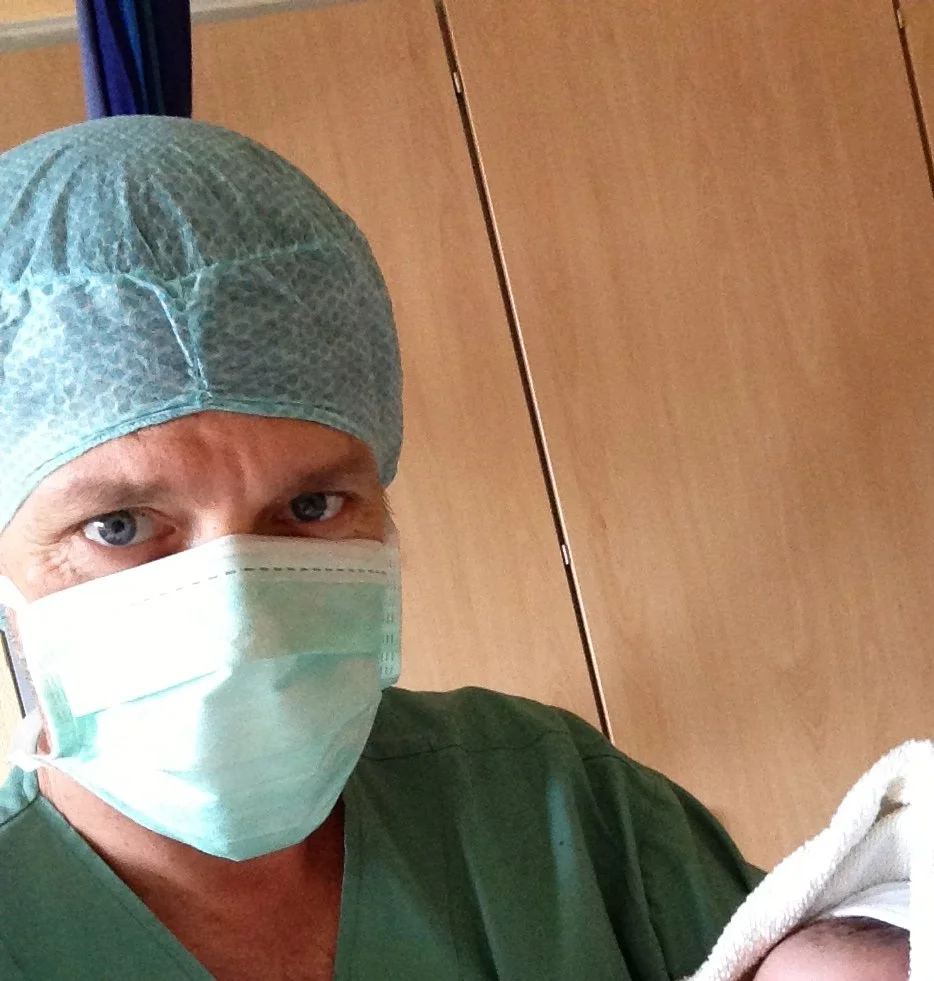
Not without my son...
After not really having been much of a father the first time around 15 years ago for my first son I am making up for it the second time. When my first son Janos was born I was living with my first wife in New York, mainly performing in Europe which meant I was travelling back and fourth sometimes for just one single concert, and still I didn’t really manage to participate in his first two years, neither do I remember much of it, sadly. As I was the sole generator of income it was the deal that I would continue my career while Janos’ mother took care of him while studying part-time. Entering the third year of my second (and last!) marriage I am happy to realize that I learnt from my mistakes.
Fitzenhagen and the Rococo Variations
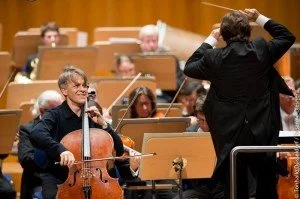
Wilhelm Fitzenhagen was a young German cellist and composer who had taken lessons with the famous professor Friedrich Grützmacher in Dresden, and after performing at a Beethoven festival in Weimar, Franz Liszt offered him the job of principal cellist there. Simultanously Nikolai Rubinstein had tried to lure the talented Fitzenhagen to Moscow to become the cello professor at the conservatory there and in what I’d consider a very brave move, Fitzenhagen accepted the Russian offer over staying in Germany. In Moscow he became good friends with Peter I.Tchaikovsky and convinced him to write a piece for cello, the Rococo Variations.
Vieuxtemps Concertos first edit
Flying to Australia is always a welcome excuse to catch up on films, getting acquainted with the newest TV shows (just watched “Dexter” for the first time), answering e-mails and writing for my so-called “blog”. The first two legs from Berlin to Copenhagen and from Copenhagen to Singapore I brought already behind me, sitting comfortably in my chair on Singapore Airlines flight 213, sipping on a tomato juice, the cello right next to me. Yes, after the accident with my bow I stopped checking my instrument into the cargo, can’t take the risk and the stress anymore – getting wiser with age or just lazier?

Composers and Performers
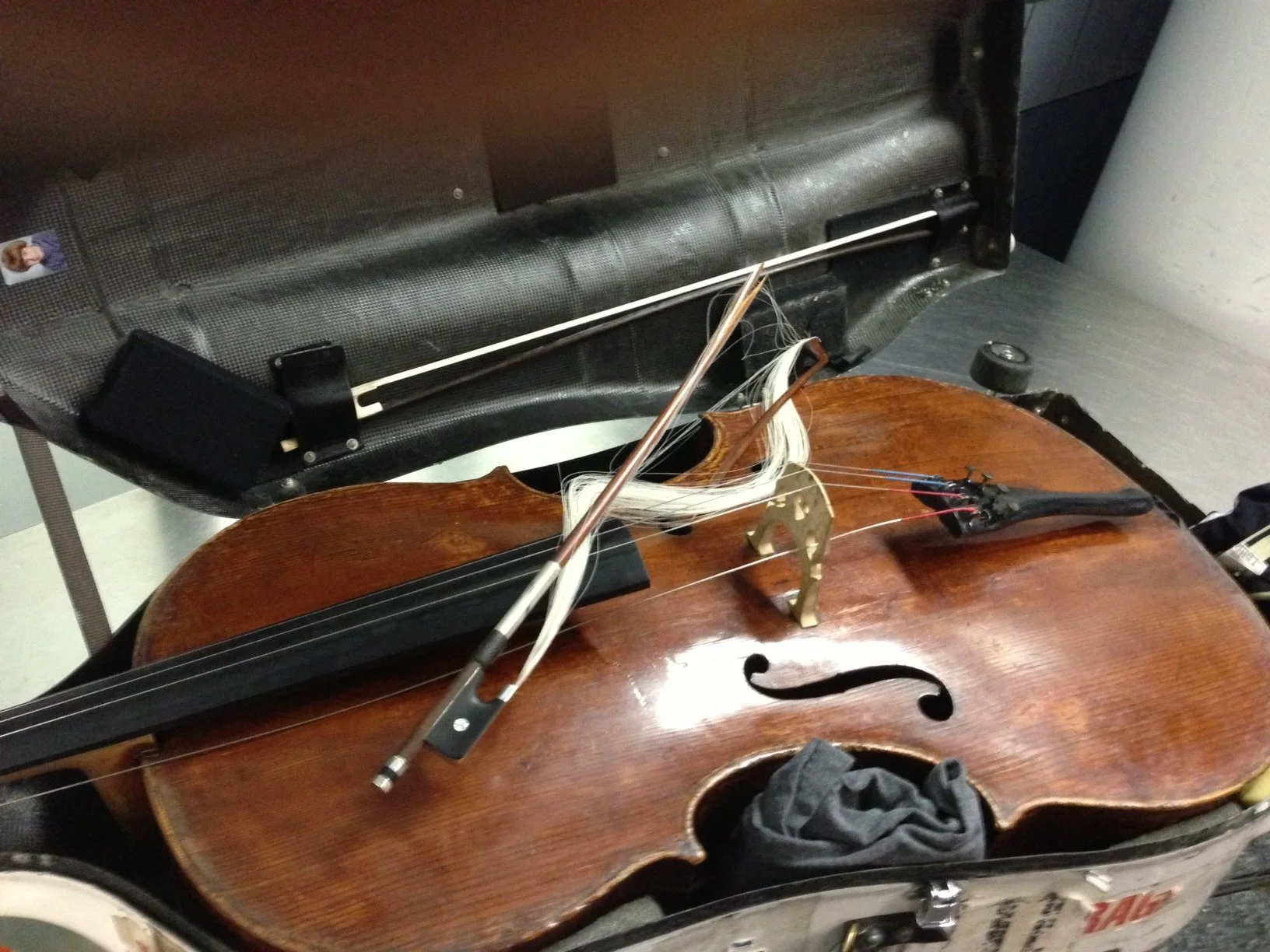
I honestly can’t believe that almost five months have passed since the mishap with my bow (at Washington airport some security person broke it while examining it) and my last “blog” entry. I shouldn’t call it blog anymore, as I have never really been a blogger – much rather a public-diary-writer. The other day I read somewhere that I was even a passionate blogger, and since I absolutely hate being praised for something I am not, I felt at least I should write something within this half-year of silence, although it doesn’t make me passionate whatsoever.
Broken Bow
I am travelling internationally since almost 25 years, hopping back and fourth between continents, and as I am a rather trusting person in possession of a very strong cello case (Alan Stevenson), I am one of the few cellists who travels without an extra seat for the cello – I check my poor Goffriller with the suitcases. Twice my cello got damaged, and that was when I had a second ticket: the case fell under my supervision; nothing major, little crack which was easily be glued, but absolutely my fault. The baggage handlers never did any harm to it.
Artist in Residence
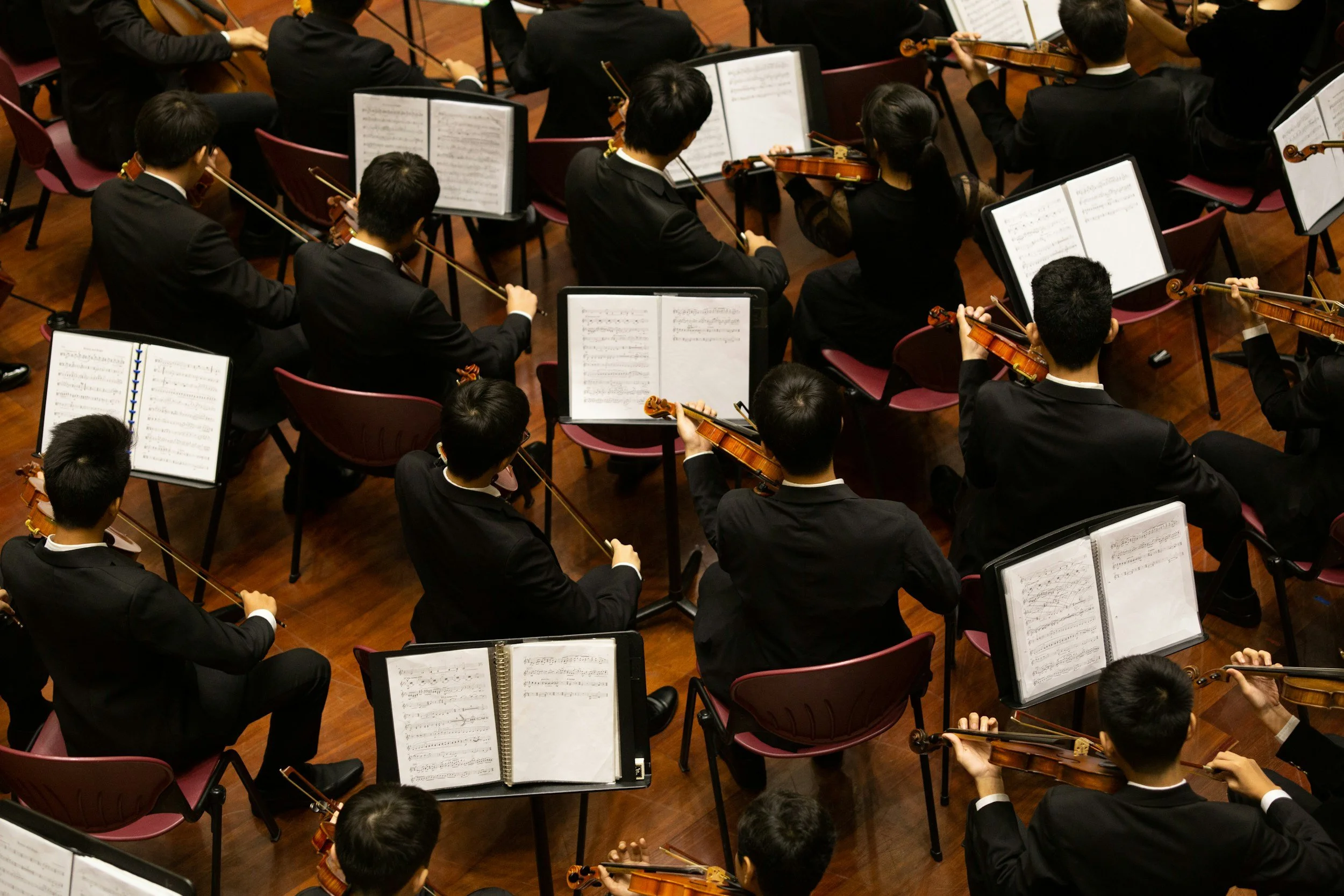
The busiest one and a half months in a long time with seven concerti, almost complete Beethoven Sonatas and Bach Suites were topped by my very first artist-in-residency with an orchestra. In between concert in Sevilla (Dvorak), Amsterdam (Frank Martin), Oslo (Chin), London (Schumann), Barcelona, Madrid and Valladolid (Lalo), Berlin (4 Beethoven Sonatas), Fort Worth (another Schumann) and now Hangzhou (Elgar), I flew to Portland (no, unfortunately not connected with the set of concerts in Fort Worth with the wonderful Fort Worth Symphony and a great conducting musician, Josep Caballé Domenech) to play three times the Rococo Variations plus Silent Woods by Dvorak, starting the first week of a three-year residency in this lovely city. While other orchestras have their “artist-in-residence” come several times within one year to play different pieces with the orchestra and maybe also give a recital, the idea of the Oregon Symphony and its chief conductor Carlos Kalmar was rather unique:
Kurt Masur
Part of my top prize at the International ARD Competition in 1990 was my Japanese debut in April 1991. I got to play a recital at Suntory Hall and the Dvorak Concerto with an orchestra in Tokyo which probably doesn’t even exist anymore (Shinsei Symphony). During my 10-day stay I had the unique chance to join a private celebration at the house of Kurt Masur’s in-laws. The director of the Goethe-Institut had invited me along, and after having met the Maestro already officially but very briefly at the price-ceremony of the other competition, I had won in 1990, the German Music Council Competition in Bonn, this time I had the rare opportunity to actually get to know this man, who had played such a crucial role in the peaceful transition not even two years earlier which resulted into the German re-unification.
German article about "Cello" in a classical music magazin
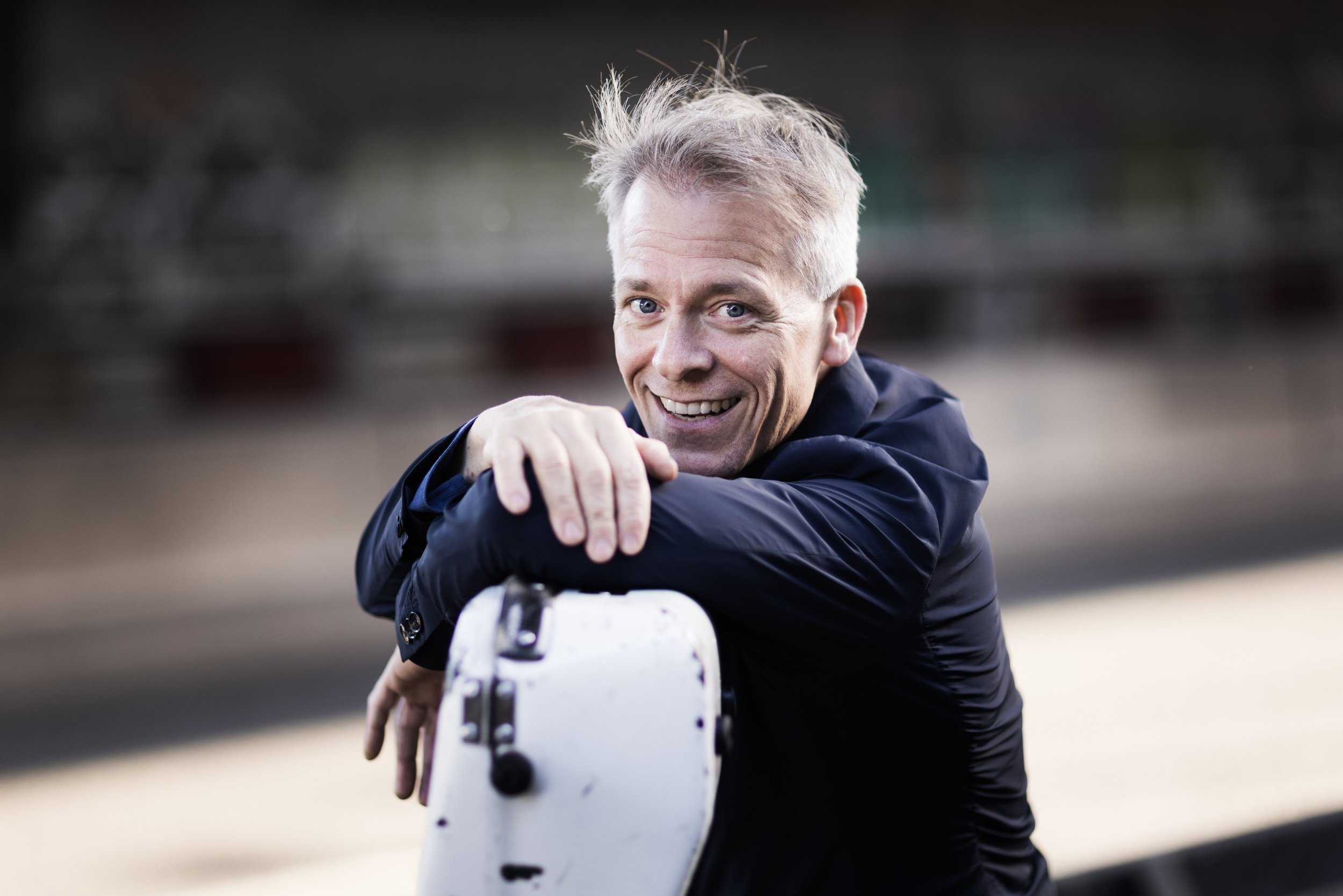
Zunächst muss ich gestehen, dass ich kein besonders großer Cellofan bin. Weder habe ich viele Cello-CD’s noch spreche ich gerne übers Cello an sich. Für mich ist es vielmehr Mittel zum Zweck, und dieser heiligt bekanntermaßen die Mittel. Der Zweck? Musikmachen, und zwar so oft, impulsiv, intensiv wie nur möglich. Wenn ich jetzt über die Gründe der Cellobegeisterung spreche, sehe ich mich also in gewisser Weise als Außenstehender, da ich mich außer beim Üben wenig mit dem Instrument beschäftige.Für mich und auch viele andere Kinder meiner Generation hatte an allererster Stelle Mstislaw Rostropovich die größte Sogwirkung. Er hat das Cellospiel auf ein anderes Niveau gehoben, hat bewiesen, dass Cello ebenso intonationsrein wie eine Geige gespielt werden kann, ohne dabei auf eine gewisse Extrovertiertheit und das in der klassischen Musik so wichtige spontane und dadurch riskante Element zu verzichten. Plötzlich war ein Cello auch bis in die letzte Reihe von großen Sälen hörbar, sowohl was das Akustische als auch die Ausstrahlung angeht. Er hat so die Erwartungen, die an einen Cellisten erhoben werden, erhöht.
Pfitzner and Blackouts
A long season is coming slowly towards an end, playing a recital at one of Germany’s nicest summer festivals, the Rheingau-Musikfestival. Last night was my my fourth concert in 12 years at Schloss Johannisberg, a chateau on top of one of many hilly vineyards with a grand view over the area and a gorgeous concert hall. My good friend Steven Osborne and me met for this one concert the day before in Frankfurt to rehearse a program we had never played in that combination, though each piece was familiar to both of us. Starting with the intense and tiring Schnittke Sonata we went straight into the Brahms e-minor without stopping in between, no chance for the discplined audience to clap which meant the first half was over at 8:55 pm after uninterrupted 50 minutes of music.Why? Well, it’s a short story: When learning the Schnittke about 15 years ago I remember very vividly the beautiful rehearsal space of a friends house in San Diego, overlooking the Pacific Ocean. The sun was about to go down, transforming the room with its stunning early evening light into an almost transcendental place in which I got completely lost in the inspiring beauty of the meditative last movement. It ends with a very long double-stop of the cello, open C string and an artificial harmonic (f sharp) while the piano is winding down – magically and dark. Right into the fragile silence of this ending I softly started the warm but incredibly sad beginning of the Brahms e-minor Sonata, and for the first time in my life I was happy with the calm intensity I achieved with this technically easy but musically very difficult beginning. Somehow the Schnittke ending seemed to have prepared the ground perfectly for the Brahms. My pianist back then, lovely Rina Dokshitsky, with whom I have been sadly out of touch (shame on me!) in the past few years, agreed with me and supported the idea to connect both pieces in our recital program the following day.
One Wedding and two Broken Bows
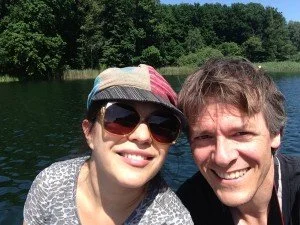
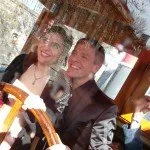
My last blog entry came only minutes before I had to rush off to the registry in Berlin Mitte to get married to the love of my life with the beautiful and equally brilliant name Gergana Georgieva Gergova-Gerhardt. So much Ger in Germany, who could come up with anything like it?!
Getting married
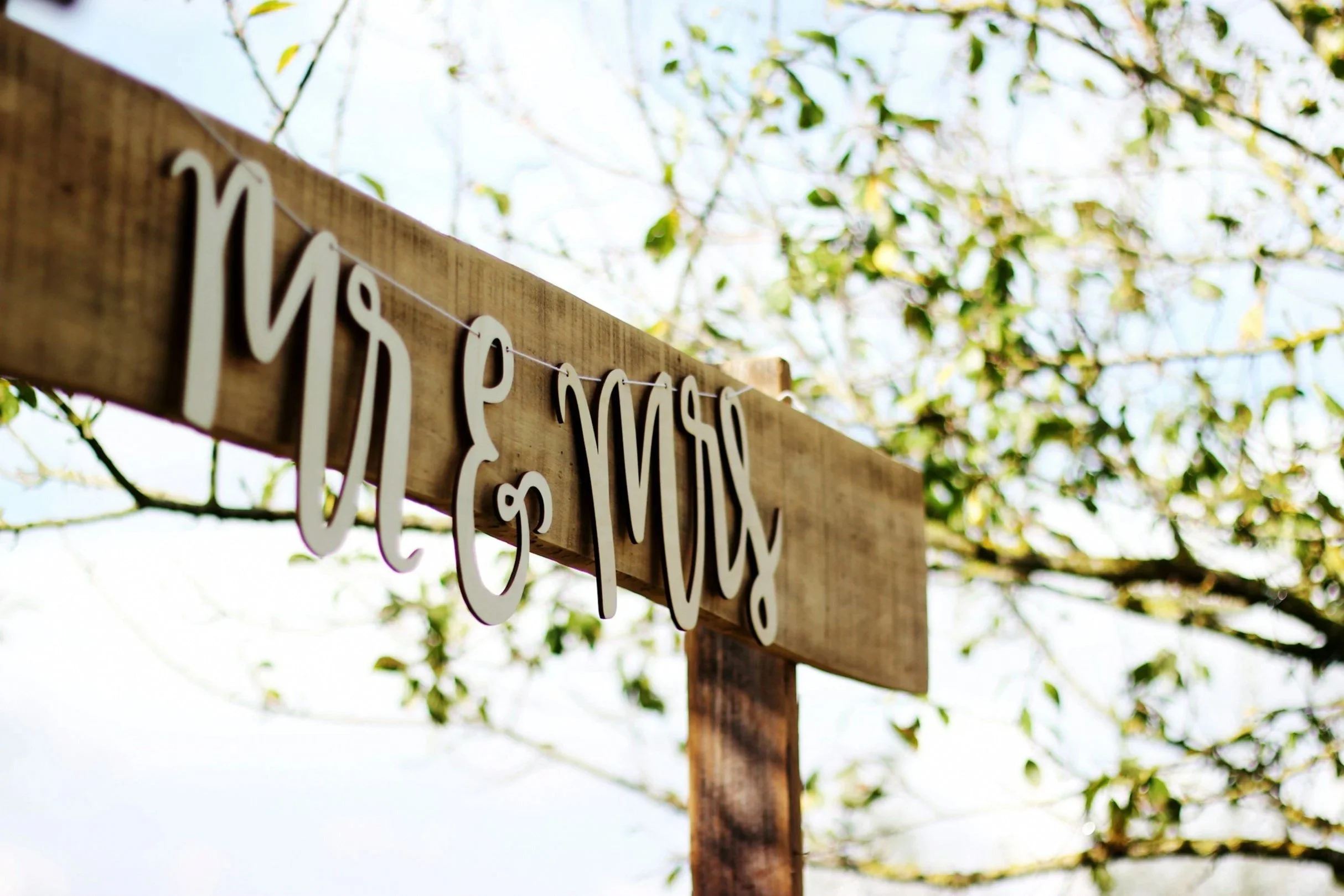
This will be probably a rather short little post: While my future wife Geri is being made even more beautiful by some stylist I am sitting on the floor trying to book some little details to our honeymoon to Venice. Yes, I am getting married for a second time, I can’t wait to finally make our love official. Am I nervous? Not really – extremely excited, but as I know that this is by far the best I can do for my life I am so much looking forward to a hopefully simple ceremony in the registry and later on a wonderful party at Berlin’s Radialsystem. We haven’t invited too many people as we don’t want it to become too impersonal: 80 friends and family members are planning, guided by my youngest sister Pamina, some surprises – soooo touching to see through how much effort they go to make this day as memorable as possible for us.

Concerto Marathon
Sitting in a train, dashing back from my last concert in order to spend a bit of late-night-time with my son, always gives me the opportunity to get some work done. Answering e-mails, returning calls, or, as rather sedlomly recently, writing my little diary here. I know, I should just translate the monthly blog I am writing for this music magazin “Fonoforum” in German, but this would take much more time than writing something new – at the same time it’s kind of boring writing twice about what happened in the past few weeks which is the reason I have almost stopped posting something here.
Skiing in Switzerland...
I am not trying to justify myself, but I will just give you another (weak) reason for my laziness in writing here: thanks to a chief editor of a classical magazin in Germany, the “Fonoforum”, who somehow thought that my way of writing rather honestly and directly about whatever happens to a travelling musician could be of interest for his readers, I am writing every month a “thing” for his publication. And somehow, this “thing” which I am normally writing within an hour or so, takes even more drive away from writing onto my own homepage. And while writing here is without guidelines and not too many readers (or at least I don’t know them), at the Fonoforum I mustn’t write more than 3500 letters which I haven’t managed yet, and the poor man is pretty upset about my unability to just state the most important things – I just wrote the new “blog”, and I am already at 3935, which is almost 15% above.
Self-Discipline and Death
I had promised myself to start writing more often again but couldn’t keep my own promise. Also I wanted to loose weight and learn Bulgarian which I haven’t managed. Self-discipline, the highest virtue for me because I have so little of it, and the happier I am the more difficult it seems to “stick to the plan”. What to do? Be unhappy and self-disciplined? Not raise the bar up too high? Or just take little steps and do one thing at the time? Yes, this is what I am doing right now; instead of practicing for next week’s duo-concerts with my fiancée in Cologne and Hamburg I start writing this blog entry in my hotel room in the city of Portland!
Playing for Presidents
While having delicious Japanese food in some hidden bar-like restaurant in Melbourne with my colleague Howard Penny (wonderful guy, professor at ANAM and member of the Chamber Orchestra of Europe), my cellphone rang in the middle of dinner. This fact alone is worth mentioning because my phone very rarely rings, and if, it would be either my fiancée Geri or my son János on the other line – other correspondence I take care of via e-mail. Normally I would ignore a phonecall being in company and especially while eating (not that I am so polite, but I just love food too much to be interrupted), but when I saw that the caller was our pediatrician Dr. Hauber I chose to answer his call, worrying about my son’s health.