Projection, or "Is cello really a solo instrument?"
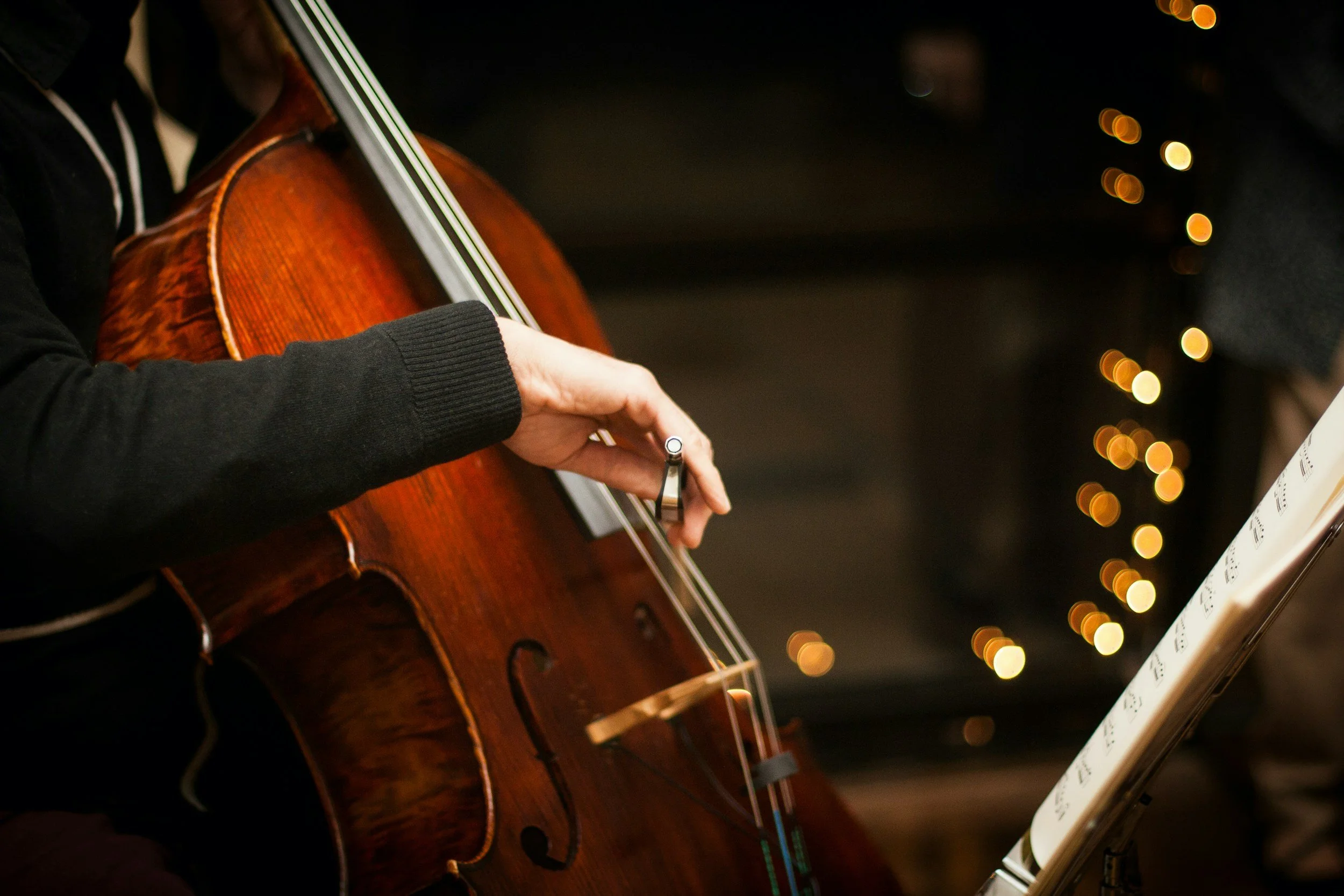
One blogger (Thomas Walter) sent me last week an e-mail asking about projection, and I thought this was an interesting issue for this little forum here.
Obviously one of the cellist's biggest fear is not to be heard enough. There is some paranoia behind but also a lot of truth. Our low frequences don't carry as much as the high ones of a fiddle, and whenever we play high, it is on a string which is so much shortened, that there is not much chance to produce the same big sound as a violin up there. This might indeed one of the problems why the cello isn't as popular as the piano nor the violin, not talking about singers.
Actually, Thomas' question was, if this had anything to do with the instrument, and certainly a great instrument "carries" the sound much better than a poor one. But there we have the first problem: even if money wasn't a problem, how to find a cello which projects well? Because we can't really tell, sitting behind the instrument. And to go to an empty concert hall doesn't make any sense either, because the last piece of crap cello sound good in a hall. One should instead bring a pianist and play with him a Brahms Sonata in this empty hall, and then you can actually tell, which of the instruments you are trying manages to "compete" with the piano or at least "cut through" the sound of this big black monster.
Stradivari cellos for example don't sound loud at all where the player is sitting, but they have this incredible inexplicable quality which makes their sound travel through any sound (or at least some of them do) to the very end of big halls. A good bow will also make a great difference.
But I claim that 95% of cellists don't even play their own bad cellos to the full potential. It starts already with playing soft passages really soft; this way we set up our fortes much better than playing already rather "healthy" in piano, not having any room to grow to. In order to grow, many tend to apply too much pressure for the instrument, and then they kill the sound. Experimenting with playing closer to the bridge, even or especially in the low registers is very important, without loosing the right bow speed.
Since almost a year I am even playing concerts with ear plugs which helps me on the one hand to concentrate much more on what I am trying to do, but also makes me work much harder in a healthy way on bringing the sound out to the audience. I believe that with that little trick I am much more aware what the people actually here in the hall. I tend to press much less and get a much better balance. Try it once, very strange feeling, can be highly frustrating, because it doesn't sound as nice as it normally sounds to the player - but hey, cello just doesn't sound all that great out there in the hall :)
I heard the other day a real good cellist, and I was shocked how limited the sound possibilities of a cello are, when they have to play against an orchestra - almost made me give up the cello...The biggest problem lays in these completely unfair recording balances though. The cello shines on top of big orchestras, seemingly effortless, and audiences, who tend to listen to cello on cd much more often than live, expect that in the hall, which is impossible. Orchestras might even not try as hard to play softly, since soloists are expected to have this huge sound which carries easily through a Dvorak or Shostakovich. Well, nothing comes easy with the cello, and a good balance is a difficult and important achievement, same in concertos as in chambermusic, but we mustn't get paranoid: sometimes it is not really that interesting to hear the cello throughout an entire piece - hard to believe, but we are not the center of the world :)